The Circular Fashion Industry: The Key to a Sustainable Future
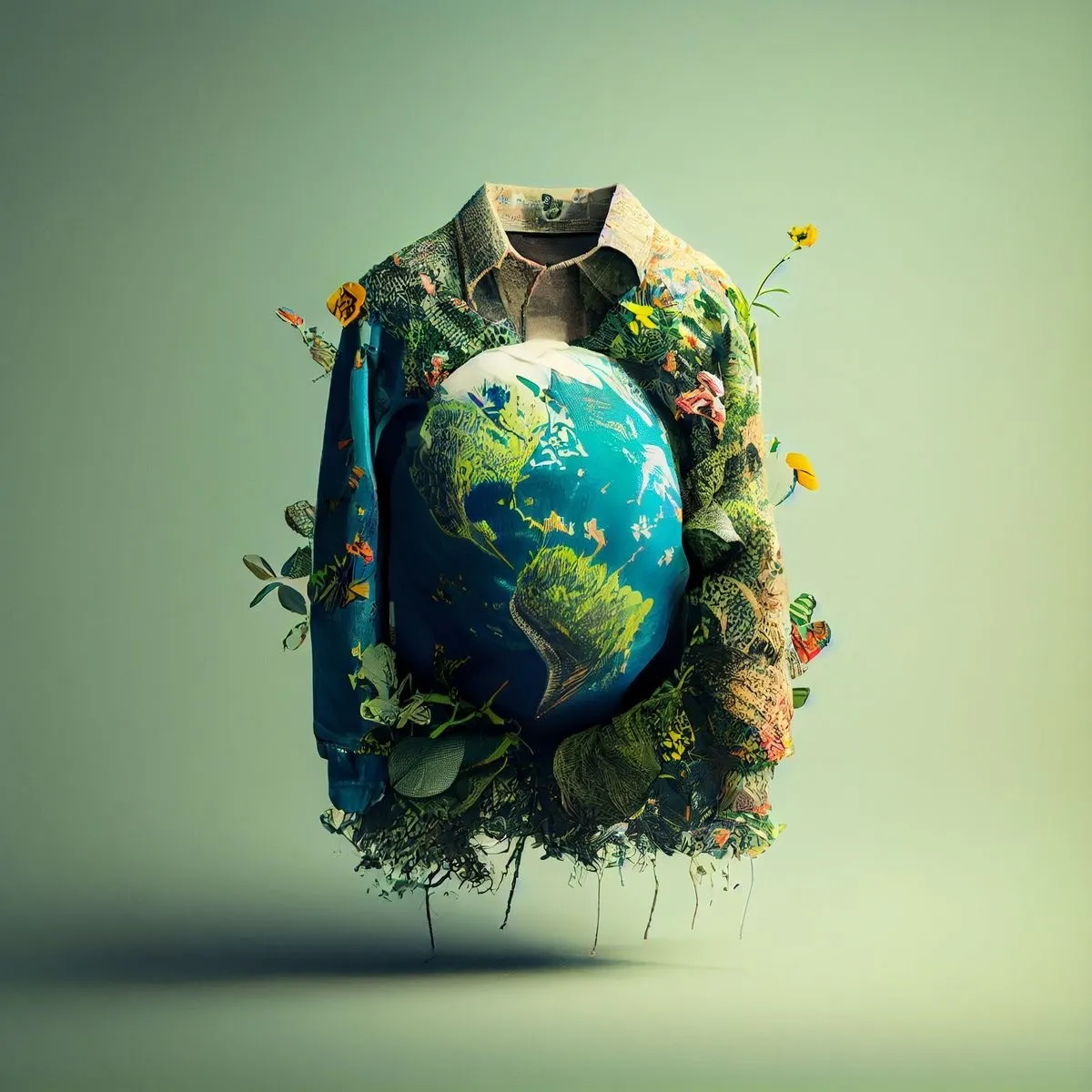
Here is a number that keeps me awake at night: the fashion industry produces over ninety million tonnes of textile waste every single year. Ninety million. I read that statistic during my first semester at HoGent, sitting in a lecture hall that smelled of fresh coffee and new fabric, and something inside me broke a little. Because I love fashion. I love it fiercely, obsessively, with my whole heart. And the idea that this thing I love is actively destroying the planet. That is a tension I refuse to look away from.
Designing for the Afterlife of a Garment
Circular fashion is not a trend. It is not a marketing buzzword. It is a fundamental rethinking of how we create. Instead of the take-make-dispose model that has driven the industry for decades, circularity asks us to design with the end in mind from the very beginning. What happens to this jacket when someone is done wearing it? Can it be disassembled? Can its fibers be reclaimed? Can its buttons and zippers live a second life?
These are the questions I now ask myself every time I sit down at my desk to sketch. It has changed the way I think about seams. I now consider mono-material construction so garments do not need to be separated before recycling. It has changed the way I think about dyes. Natural and low-impact options that will not poison waterways when the fabric eventually decomposes. It has even changed the way I think about beauty itself. A beautiful garment that becomes landfill in two years is not actually beautiful. It is a lie.
True beauty and true responsibility are not opposites. They are the same thing, and the designers who understand that will shape the future.
Small Decisions, Massive Impact
What gives me hope is that circular thinking does not require massive budgets or revolutionary technology. It starts with small, stubborn decisions. Choosing deadstock fabric instead of ordering new rolls. Designing modular pieces that can be reconfigured rather than discarded. Working with local artisans instead of shipping materials across oceans. These are choices any designer can make, right now, today.
At HoGent, I have been learning about brands that are already proving this works. Companies that take back worn garments and transform them into new collections. Designers who build entire lines from textile waste. Each example makes the vision feel less idealistic and more inevitable. The industry is shifting. The question is not whether circular fashion will become the norm. It is whether we will get there fast enough.
I became a fashion design student because I wanted to create things that make people feel something. But I am staying in this field because I believe design can be an act of care. Care for the person who wears the garment, and care for the world that exists long after that garment is gone. That is the promise of circular fashion. And it is a promise I intend to keep.