Daisy Bag: Shape It Your Way
For this group project, I was responsible for developing the financial plan. This meant mapping out production costs, building a pricing strategy, and analyzing profitability to turn a creative concept into a viable product.
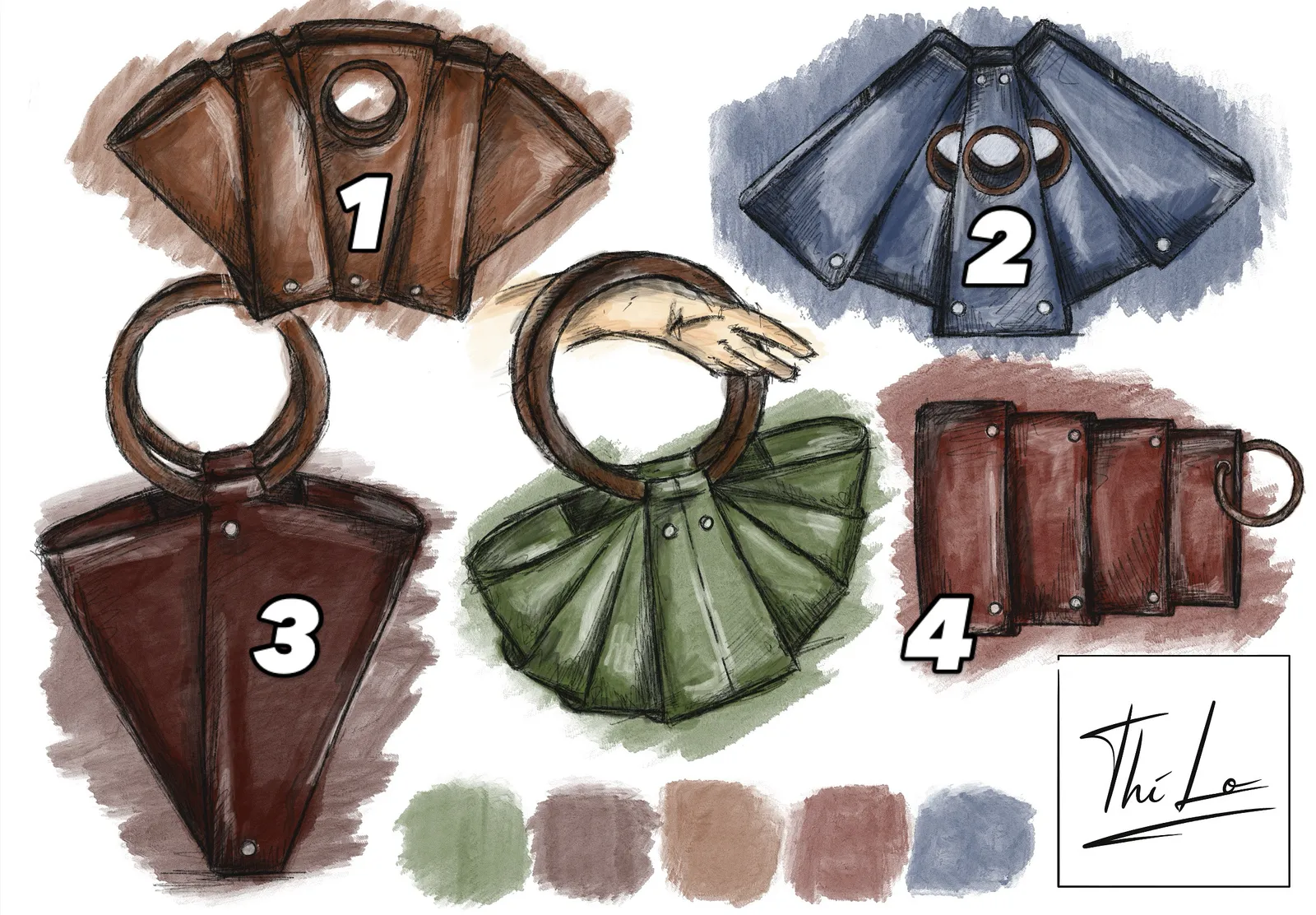
So this whole project started because our group was looking at how animals protect themselves. We landed on the armadillo and honestly, once you start studying those overlapping plates, you can't unsee how cool the mechanics are. They flex and shift but still keep everything protected. We wanted to translate that into a bag.
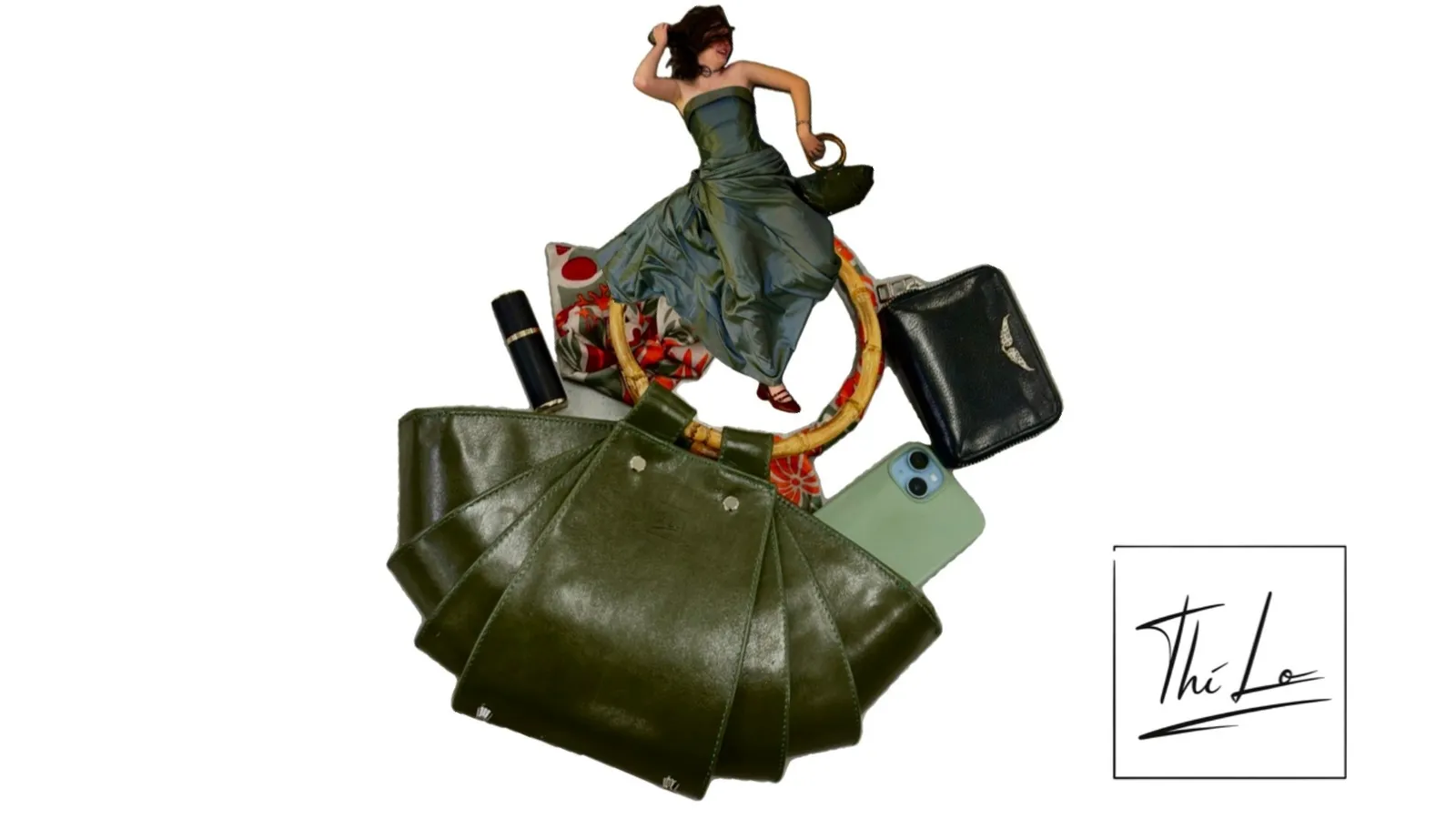
The panels interlock like scales, so the shape actually changes depending on how you use it. You can open it up when you need more space or fold it down for something compact. It moves with you instead of being this stiff, rigid thing you have to work around.
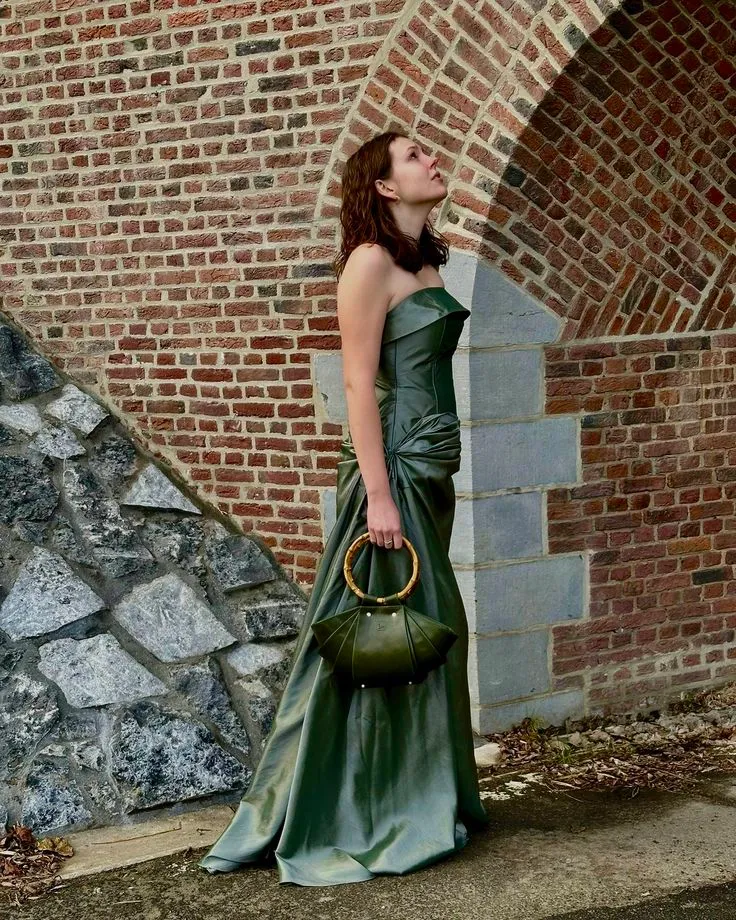
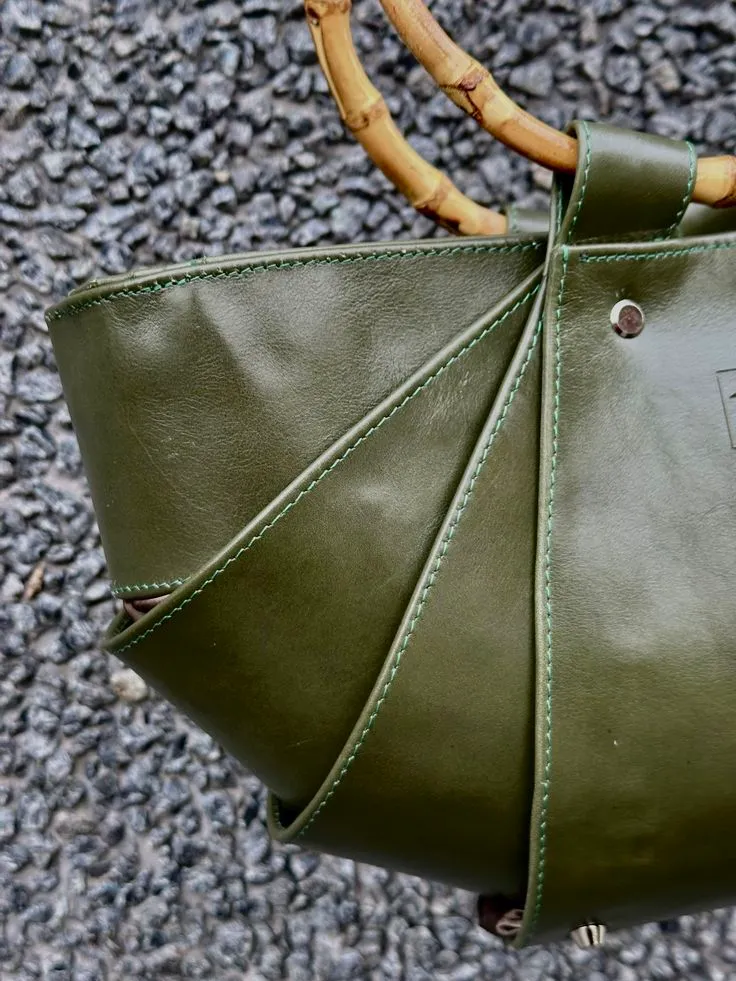
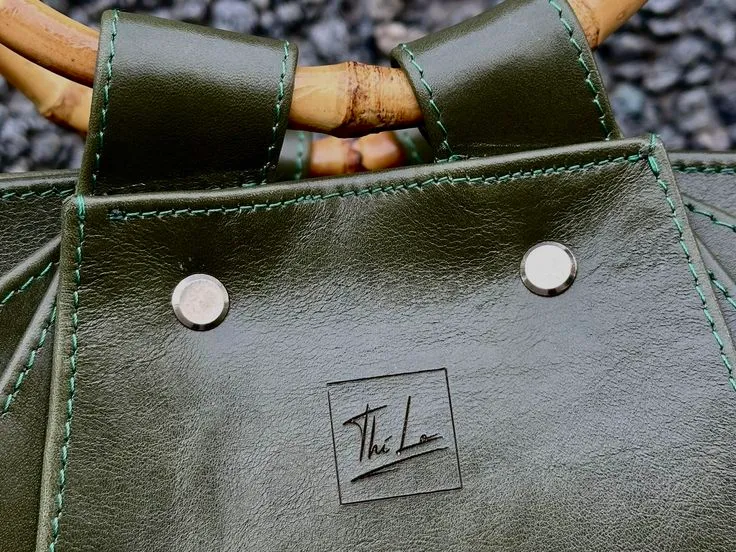
What I think turned out really well is the texture. Each panel was individually stitched and layered, which gives it this ripple effect when you look at it up close. The bamboo handle was a nice contrast to that. It brings in something warm and natural next to the more structured, almost futuristic look of the panels.
When we showed it to people, the first thing they'd do is reach out and touch it. They'd twist it around, try to reshape it. That was honestly the best feedback we could get, because the whole point was to make something people want to interact with.
We created the Daisy Bag under our brand Thí Lo. The name comes from two words: Thi, which means poetry in Vietnamese, and Lo, which means path. So together it translates to the poetic path. We liked that it captured what we were going for, making things with intention and a bit of soul.
That idea guided a lot of our choices. We were picky about materials, deliberate with every detail, and we wanted each piece to feel like a one off. My own contribution was building out the financial plan, figuring out production costs, pricing, and whether the concept could actually work as a real product.
Follow us on Instagram